Airdrop hunting in 2026 has become less about completing hundreds of random transactions and more about building a useful, verifiable on-chain history. For a 90-day strategy, the important question is not simply which ecosystem has the biggest airdrop rumor. It is which ecosystem gives users realistic ways to participate repeatedly without taking unnecessary financial risk.
This comparison looks at three major ecosystems — Solana, Bitcoin Layer 2, and Hyperliquid — through a practical 90-day lens. Rather than treating speculative token rumors as guaranteed opportunities, the comparison focuses on eligibility signals, available activities, capital requirements, and how easily participation can be verified on-chain.
| Ecosystem | 90-Day Eligibility Profile | Common Activities | Main Consideration |
|---|---|---|---|
| Solana | Broad and protocol-dependent | DEX, lending, staking, liquidity, consumer apps | Many opportunities are unofficial until a project publishes criteria |
| Bitcoin L2 | Campaign and protocol-specific | BTC bridging, staking, liquidity and applications | Some opportunities require meaningful BTC capital |
| Hyperliquid | Historically activity-oriented | Spot, perpetuals, staking and HyperEVM applications | Trading purely for points can create real financial losses |
Solana: The Widest Range of Possible Activity

Solana stands out because users are not dependent on a single application. The official ecosystem directory covers areas including DePIN, DeSci, BTCFi, gaming, creator applications and network infrastructure. Solana also reports substantial network activity and a large number of monthly active addresses. This gives users multiple ways to interact with the ecosystem rather than relying on transaction volume alone.
For a 90-day strategy, the practical approach is to use applications because they are useful, not simply because they might distribute tokens later. A user could make occasional swaps, use a lending application, stake SOL or test new applications when there is a genuine reason to do so. Keeping a record of wallet addresses, transaction dates and protocols is surprisingly valuable when eligibility criteria eventually appear.
Bitcoin L2: Smaller Activity Surface, Greater Capital Sensitivity

Bitcoin L2 opportunities often have a different structure. Instead of rewarding simple transaction frequency, campaigns may connect eligibility with BTC staking, bridging, liquidity or participation in specific applications. Babylon’s published early-adopter distribution, for example, included allocations connected with eligible BTC staking activity.
That creates a different 90-day calculation. A user should first determine how much capital is actually required and what risks come with moving or locking BTC. If the expected benefit depends on deploying a large amount of capital, the opportunity cost and smart-contract risk become just as important as the potential airdrop.
Hyperliquid: Measurable Activity, but Trading Risk Changes the Equation
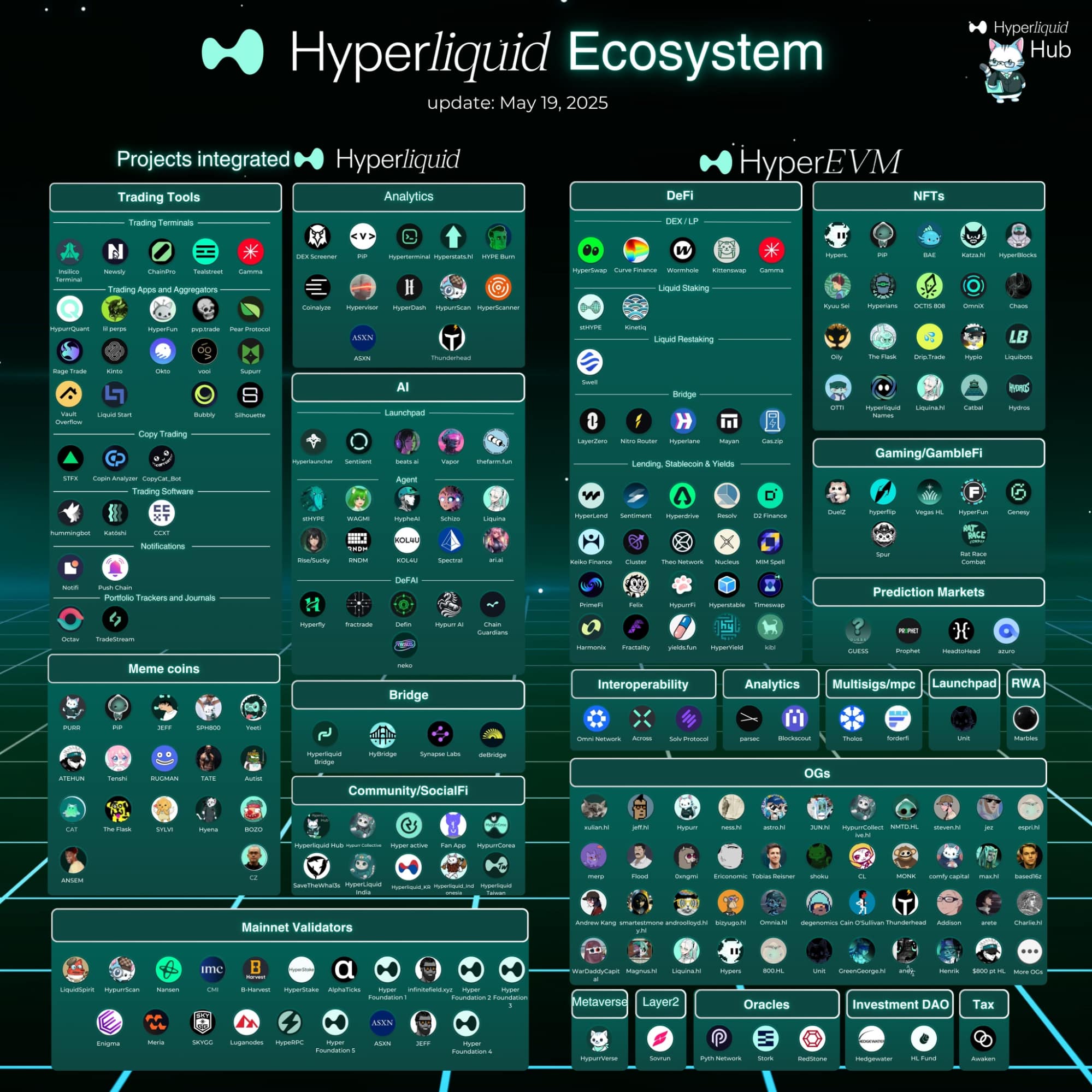
Hyperliquid has a notably different user profile. Its historical points program explicitly connected points with user activity, while the wider ecosystem now includes spot markets, perpetuals, staking and HyperEVM applications. This makes activity easier to observe than campaigns based mainly on social engagement.
However, this is also where users can make the biggest mistake: generating trading volume simply to manufacture eligibility. A profitable trade is not guaranteed, and leverage can turn a relatively small activity requirement into a significant loss. For a 90-day plan, genuine trading or application usage is easier to justify than artificially increasing transaction volume.
What a 90-Day Airdrop Strategy Should Actually Measure
After comparing these ecosystems, the most useful metric is not the number of transactions. It is the quality and sustainability of participation. Solana offers a broad application surface, Bitcoin L2 campaigns can be closely tied to BTC capital and staking, while Hyperliquid has historically provided more measurable activity-based participation.
For personal tracking, keep five fields for every campaign: wallet, protocol, activity, date and total cost. Add a sixth field for the source of the eligibility claim. This simple system separates official criteria from Twitter speculation and makes it much easier to review a portfolio after 90 days.
The biggest lesson is straightforward: do not optimize for transaction count; optimize for legitimate ecosystem participation. A campaign with no confirmed eligibility criteria should remain a watchlist item, while confirmed requirements should be checked directly against official documentation before capital or time is committed.